Buying property in Dubai, without the hype
A growing library of advisor-led guides for people who want to think clearly about Dubai property before they commit capital. How to buy. What it actually costs. What the risks are. And which projects fit which kind of investor.
Why this hub exists
Most content on buying property in Dubai is written by people who get paid when you buy. That is not a neutral starting point. Every brochure tells you the project is good. Every agent has a target. Every developer's render is engineered to make you call.
This hub takes a different position. Each guide is written from one question: would I recommend this approach, this project, this strategy to a client paying me for my time. If the answer is no, the guide says so. If the answer is yes, the guide tells you who it fits and who it does not.
The guides cover the questions investors actually ask. How does the process work for an overseas buyer. What does a typical purchase cost end to end. What are the structural shifts in the market right now. How do you tell a strong off-plan launch from a weak one. When does waiting cost you more than buying.
How to buy property in Dubai, in five steps
The actual process is more straightforward than the noise around it suggests. For most overseas buyers, end to end timing runs four to eight weeks from offer to title.
- 01. Define your strategy first, the property second. Yield, capital growth, residency, or primary home. The right unit for one is the wrong unit for another. Working in this order saves you from buying a property that does not actually match what you came for.
- 02. Identify the right freehold zone. Foreign nationals can own freehold property in designated zones, which cover most areas worth considering. Match the zone to the strategy. JVC and Business Bay suit yield. Dubai South and Palm Jebel Ali suit long-term capital appreciation. Downtown and Palm Jumeirah suit lifestyle and prestige.
- 03. Sort the financing. Cash or mortgage. Non-residents can borrow up to 50 to 60 percent loan-to-value from UAE banks. Pre-approval at ADCB and Emirates NBD now runs about three days using AI-assisted underwriting. Even cash buyers benefit from getting a pre-approval in hand, because it sharpens negotiation.
- 04. Make the offer and sign the MoU. The Memorandum of Understanding (Form F) is the binding sale agreement. A 10 percent deposit is standard. From here the trustee office handles the transfer with the Dubai Land Department.
- 05. Transfer at DLD, register the title. The DLD transfer fee is 4 percent of the purchase price, split conventionally between buyer and seller but often paid by the buyer in practice. Title is registered in your name on the day of transfer. For off-plan, you receive an Oqood registration until handover.
That is the spine of the process. The full step-by-step, with the documents, the trustee office options, and the timing for UK and overseas buyers specifically, is in the How to buy property in Dubai from the UK guide below.
The full guide library
 Abu Dhabi
Yas Island Review 2026
Where yield meets liquidity. Prices, payment plans, handover dates, and which Yas project fits which investor.
Read the review →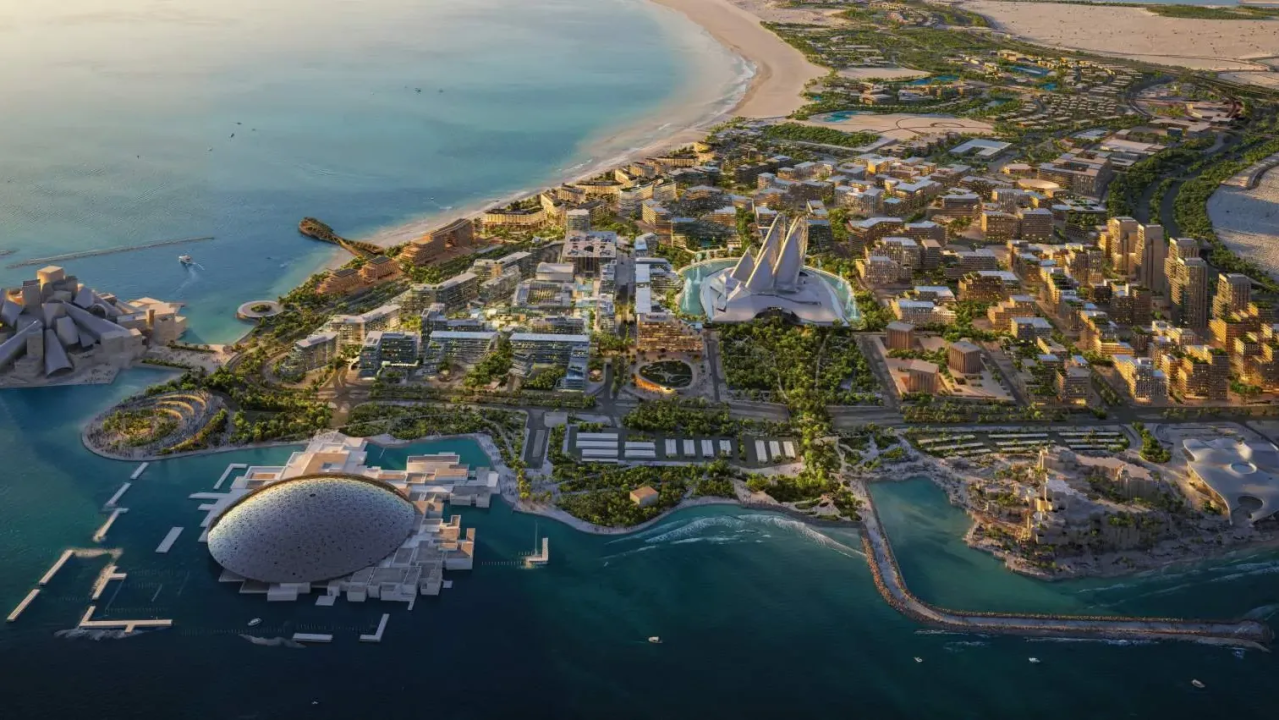
Buying Property in Abu Dhabi: 2026 Investor Guide
Where the capital rewards you, island by island. Yas for yield, Saadiyat for growth, Hudayriyat for the long play, plus freehold rules and the Golden Visa threshold.
Read the guideThe full process for international buyers. Eligibility, freehold zones, the paperwork, mortgages for non-residents, and the costs nobody quotes upfront.
How to think about Dubai as an allocation, not a single deal. The frameworks I use with clients who are sizing a position rather than buying a home.
Why off-plan can work and why it often doesn't. Developer covenants, handover risk, payment plan traps, and how to read what's actually in the contract.
What it costs, what it actually gets you, and the eligibility paths that don't require a property purchase at all. The decision is more nuanced than the marketing.
Common questions about buying property in Dubai
Thirty minutes, one on one. No pitch. No pressure.