The UAE's Strait of Hormuz plan and what it means for property investors
The UAE is targeting zero Hormuz dependency with a multibillion-dollar expansion of ports, pipelines and rail along the Gulf of Oman. The infrastructure play is about much more than oil. Here is how to read it as a real estate investor.
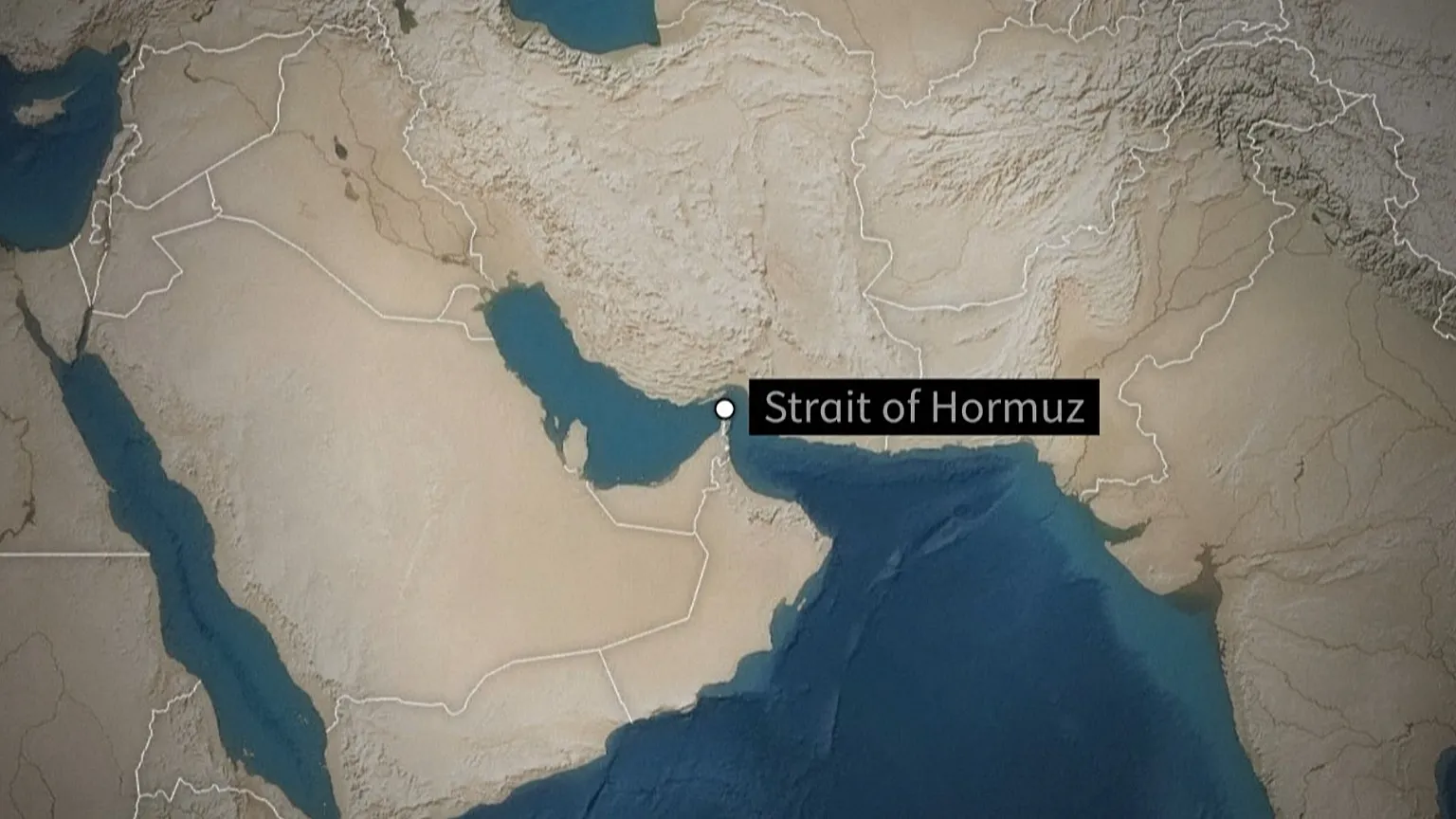
The Strait of Hormuz, the world's most critical maritime chokepoint. The UAE is building to operate without it.

The UAE is moving to reduce its dependency on the Strait of Hormuz to virtually zero. Most people reading that headline focus on oil. My advice is to look at what the strategy is actually telling you about where this country is investing, and what that means for the areas around those investments.
The Strait of Hormuz has been effectively closed since late February 2026, when the US-Iran conflict prompted Tehran to block the chokepoint. Oil prices spiked. Insurance costs for shipping routes soared. And the UAE, already the least Hormuz-dependent GCC country, accelerated a plan it had been building for years.
Thani Al Zeyoudi, UAE Minister of Foreign Trade, was direct: "We're moving toward having zero Hormuz dependency, and that's regardless of whether it's open or not."
That statement deserves attention. Not because of the geopolitics, but because of the investment that follows from it.
What the UAE already has that most people do not know about
Before the current situation, the UAE was already the least Hormuz-dependent country in the Gulf Cooperation Council. That is not an accident. It is the result of a decision taken years ago to reduce strategic exposure.
Since 2012, the UAE has operated the Abu Dhabi Crude Oil Pipeline (ADCOP), a 380km pipeline running from the Habshan oilfield in Abu Dhabi directly to the port of Fujairah on the Gulf of Oman. It bypasses the Strait entirely. Current capacity sits at around 1.5 to 1.8 million barrels per day.
That capacity is now being doubled. In May 2026, ADNOC announced it was accelerating construction of a second parallel pipeline, West-East 1, with a 2027 operational target. A third pipeline is also under consideration for the longer term. Combined, these could push bypass capacity above 3.5 million barrels per day.
But oil accounts for only around 18% of the UAE's exports. This is the part that matters for real estate investors.
The UAE is not an oil economy. It is a trade economy
This is the context most coverage misses. The UAE is the largest trading nation in the Middle East and, by some measures, the ninth-largest exporter globally. The majority of what moves through UAE ports is not crude oil. It is re-exports, manufactured goods, consumer products, and industrial inputs.
Jebel Ali Port in Dubai is the largest port in the Middle East and one of the most important logistics hubs on the planet. Abu Dhabi Ports manages a network of commercial and industrial ports that serve a population of businesses, not just energy companies.
What the UAE government is building right now is not just an oil bypass. It is an alternative trade architecture for the entire economy, designed to function whether Hormuz is open or not.
The plan, as outlined by Al Zeyoudi, includes:
- Eastern port expansion at Fujairah, Khor Fakkan and Dibba, all on the Gulf of Oman coast outside the Strait
- At least one entirely new harbour on the Gulf of Oman coastline, still in the planning stage
- New pipelines beyond the second crude pipeline already fast-tracked
- Expanded Etihad Rail connections linking these ports to industrial zones and logistics centres across the country
- New road networks connecting ports to oilfields, gasfields, warehouses and manufacturing hubs
Read that list again through the lens of an investor, not an energy analyst.
How infrastructure creates real estate demand
The chain of causation from infrastructure investment to property demand is consistent across every major economy, and the UAE is not an exception to it.
Infrastructure creates trade activity. Trade activity creates businesses. Businesses create jobs. Jobs attract workers, and workers are people who need somewhere to live. That demand, when it concentrates in a particular area, drives property prices.
Dubai's growth from a trading port to a global city was largely built on this sequence. The expansion of Jebel Ali created the free zones. The free zones attracted businesses. The businesses attracted talent. The talent needed homes, schools, hospitals and retail. The property market followed.
The same logic now applies to the eastern coast of the UAE, but at a much earlier stage. The infrastructure is being committed. The economic activity will follow. The property market in those areas has not priced this in yet.
Which areas to watch as a property investor
The question is not whether this infrastructure will be built. The UAE has a strong record of delivering on strategic infrastructure commitments. The question is which areas will benefit earliest and most directly.
Fujairah
Fujairah is the most direct beneficiary of the ports expansion. It is already home to the world's second-largest bunkering hub and sits strategically outside the Strait. The port is being expanded significantly, and the second pipeline terminates here. Fujairah's real estate market is currently small and relatively illiquid compared to Dubai, but that is also what makes it interesting at this stage. According to Colliers' Q1 2026 UAE real estate report, rents in Fujairah remained stable this quarter, which reflects a market that has not yet reacted to the investment coming its way.
This is a long-term position, not a 12-month trade. The timeline on the port expansion and pipeline construction is measured in years. Investors buying in Fujairah today are positioning ahead of activity, not chasing it.
Ras Al Khaimah
Ras Al Khaimah is already moving. The ValuStrat Price Index recorded a 14.9% annual increase in freehold residential values through Q3 2025, with apartments at Al Marjan Island leading at 16.8% annually. The emirate has its own coastline on the Gulf of Oman and is part of the northern connectivity that the new rail and road infrastructure will serve.
RAK is at a different stage than Fujairah. It is already establishing itself as an investment and lifestyle destination, with major branded residences, hotel brands and significant development pipeline. The Hormuz infrastructure play adds a macro tailwind to a market that already has strong fundamentals.
Umm Al Quwain and the Northern Emirates
Umm Al Quwain is the least-developed emirate, which is also where the value argument is most straightforward if the infrastructure follows through. Etihad Rail already passes through the northern emirates, and road network expansions planned to support the new logistics corridors will connect these areas to the port hubs. Entry prices here are the lowest in the UAE.
The UAE's alternative trade routes in context
| Route | Current capacity | 2027 target | Key assets |
|---|---|---|---|
| Habshan-Fujairah (ADCOP) | 1.5 to 1.8M bpd | 3.5M+ bpd | Fujairah port, bunkering hub |
| West-East 1 (new pipeline) | Under construction | Operational 2027 | Doubles crude bypass capacity |
| Khor Fakkan expansion | Existing Sharjah port | Major expansion planned | Shipping container transit |
| Dibba expansion | Small existing port | Under feasibility | New harbour on Gulf of Oman |
| Etihad Rail connections | Phase 1 operational | Full network expansion | Links ports to industrial zones |
Who this fits and who it does not
What you cannot predict and what you can control
No one can tell you exactly when the Hormuz situation resolves, when the second pipeline becomes operational, or when Fujairah's property market prices in the infrastructure investment. These are unknowable timelines.
What you can assess is the direction of government spending, the scale of the commitment, and the historical relationship between UAE infrastructure investment and property demand. The UAE has a consistent record of delivering on strategic infrastructure. The western coast of Abu Dhabi, Yas Island and Saadiyat Island are all evidence of what government commitment to an area does to real estate values over time.
The eastern coast is at an earlier stage of the same cycle.
The risks worth stating directly
The eastern coast opportunity is a long-term thesis, not a short-term trade. There are real risks.
- Timeline uncertainty. The new harbour and full port expansion have no confirmed timelines or budgets yet. They are in feasibility stages. The second pipeline has a 2027 target, but construction projects of this scale routinely extend beyond initial targets.
- Liquidity risk. Fujairah and Umm Al Quwain are small, illiquid markets. Selling a property when you want to may be harder than buying it. This is a meaningful constraint for investors who may need to access capital.
- Geopolitical uncertainty. The Hormuz situation remains unresolved as of June 2026. If a durable resolution is reached quickly and the UAE's strategic concern diminishes, some of the urgency behind the infrastructure investment could slow.
- Demand lag. Infrastructure comes before demand, not simultaneously. There may be a period of several years between the completion of port expansions and the arrival of meaningful population growth in the area. Property markets in those areas may be quiet for that duration.
Questions investors are asking about the Hormuz situation
Further reading on UAE property investment
- For context on the Abu Dhabi investment case and which islands offer the strongest fundamentals, see the guide to buying property in Abu Dhabi, including coverage of Yas Island and Saadiyat Island.
- For a deeper look at off-plan project options across the UAE, the off-plan project reviews hub covers developments from all major developers with honest analysis on price, payment plan and who each project actually fits.
- For a complete breakdown of the buying process for international investors, the property buyer's guide for Dubai and the UAE covers everything from DLD fees to payment plans and RERA protections.
- For a project-level analysis of the Emaar AED 200 billion announcement and what it signals about where the UAE's largest developer is positioning for the next decade, see the Emaar AED 200 billion project analysis.